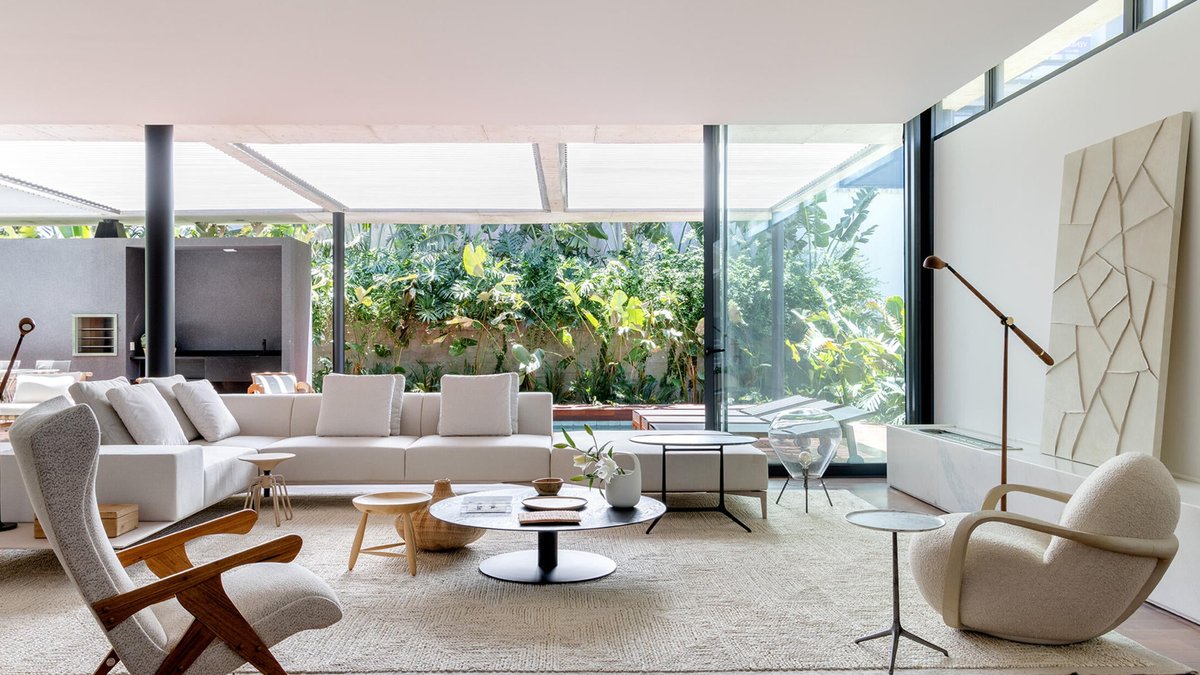
Interior designers use client intake forms to screen projects, establish expectations, and prevent early misunderstandings. Six designers explained the questions they include and why those details matter more than the answers themselves.
Budget and scope come first
Most forms begin with essentials: project location, desired work, and budget range. The figures help clarify whether a project is feasible before either party invests time in discussions.
Related: How To Get Rid Of Common Odors In Tap Water
Understanding how clients think
Anita Lang’s form goes deeper than logistics. Over the years, she added questions about communication preferences, decision-making criteria, and desired involvement in the design process. These details help her adjust presentations so clients can better absorb and respond to choices.
Lifestyle details reveal priorities
Simara Mello’s form in Brazil explores daily habits. She asks how clients live, what they expect from their space, and their preferred level of involvement. The responses help her assess timelines and decision-making styles. “We keep it short,” she said. “The aim isn’t to replace conversation but to make the first contact smoother.”
Herod’s team follows a similar method. Their questionnaire covers family routines, space usage, and shopping preferences. “If someone shops at antique stores,” she noted, “it often means they appreciate quality and craftsmanship.”
Related: How to Avoid the Crowds When Vacationing in Whistler
What the forms skip
None of the designers prioritized aesthetic preferences initially. Instead, they concentrate on process, expectations, and practical limits. The questions aim to uncover how clients think, not just their wishes.
Simara Mello summarized it: “Our intake form was designed to make the initial stage of each project more efficient and focused. Since our work is highly personal, we need to quickly understand not only the basic project parameters, such as type, location and scope, but also how the client lives and what they expect from the space. We include questions that help us identify their routine, priorities and [preferred] level of involvement in the process. This gives us a clearer sense of timeline, decision-making trends, and how familiar they are with working with an interior architect. At the same time, we keep the form concise. The goal is not to replace conversation, but to streamline the first contact, especially when handling multiple inquiries. It allows us to start each project with greater clarity and alignment, making the following steps more productive for both sides.”



Leave a Reply